
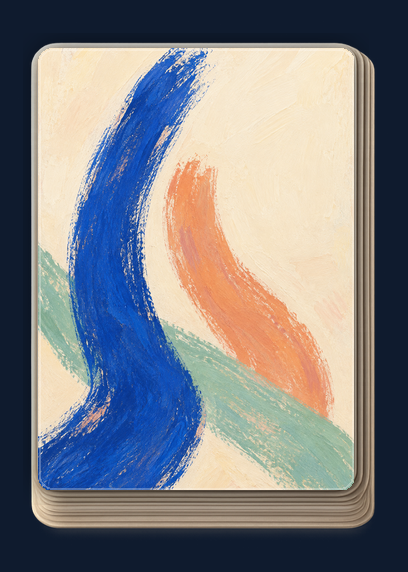
Rhythm
Seventy painted scenes about the body in everyday life: load, movement, food, sleep and change.
Open the deckWhat's in the deck
Rhythm asks one question: how do I take my body into account in the life I actually have. Not the life of a recommended routine, but this one, with its shifts, its money, its care for other people and its health. Seven groups of ten cover sensations and attention, demands and environment, movement and comfort, food and eating, sleep and rest, rhythms and change, and how you relate to your body. The pictures show people, objects and familiar places rather than diagrams of an organism, so the conversation stays about living rather than about being broken. Night shifts, interrupted sleep, unpredictable days and the impossibility of going back to previous capacity are all in the set, because leaving them out would make the deck useful only to people whose life already runs smoothly.


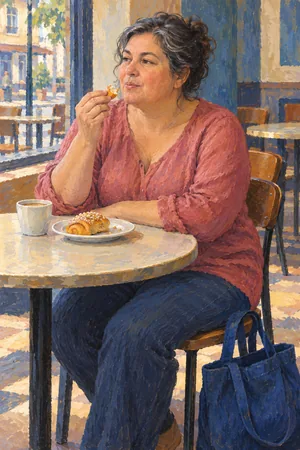

Groups
Sensations and Attention
What you notice in your sensations and where you direct your attention. Explore pleasure, mixed or unclear sensations, and times when you would rather not focus on them.
Demands and Environment
Demands at work and at home, including noise, cramped spaces, interruptions and access to what you need. Explore how your surroundings affect you, which tasks can be shared and what help is still unavailable.
Movement and Comfort
Movement, body positions and ways of taking part in familiar activities. What feels comfortable or enjoyable, where support or help is needed, and what remains difficult with your current abilities.
Food and Eating
The place of food in your day: having a chance to eat, preparing meals, taste and company at the table. There is room for pleasure, uncertainty and the pressure of other people’s expectations, without judging portions or choosing a diet.
Sleep and Rest
Having a chance to pause and making space for rest. Falling asleep, being awake, interruptions and times when rest does not leave you feeling as restored as you expected.
Rhythms and Change
Habits, routines and changes over time. What you want to continue, what no longer fits, and how to arrange everyday activities after a break or when your abilities change, without having to return to your former pace.
Relating to Your Body
How you relate to your body when it is noticed, compared or judged. Explore privacy, mixed feelings, taking part with help from others and caring for yourself without first having to love your appearance.
Techniques where this deck fits
These are the self-reflection techniques in our Self-Work Navigator that work well with this deck:
When to pick
Tiredness that has no name
Sensations and Attention gives words to what is happening before you have to call it a diagnosis or a character flaw.
The day is arranged against you
Demands and Environment is about noise, crowding, interruptions and access, which are conditions rather than personal failings.
Habits that will not hold
Rhythms and Change works with what repeats and what breaks, including the periods when the old routine stops working.
Living with a limitation
How You Relate to Your Body does not require you to like it, to find a lesson in it or to expect a return to normal.
When this isn't the right deck
The deck does not identify the causes of symptoms, does not prescribe nutrition, exercise or sleep schedules and is not a treatment for anything. An image does not establish what your body needs and does not check whether hunger or tiredness is real. Choosing a card changes nothing in physiology. Pain, eating difficulties and chronic illness belong with the relevant specialist; here they can only be talked about, and only if you want to.
Other decks in MAC Cards Online



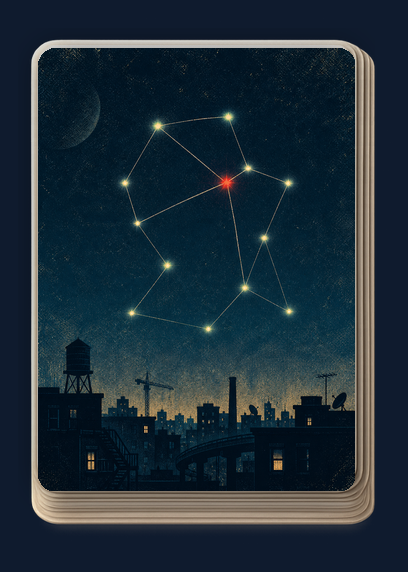
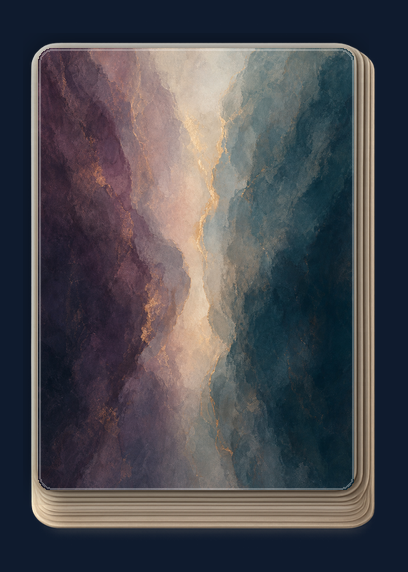

About metaphorical associative cards (MAC)
Metaphorical associative cards (MAC) are a projective tool used in self-reflection, coaching and therapy. Unlike tarot or oracle cards, they don't predict anything – the image becomes a mirror for what is already happening inside you.
You can work with MAC cards alone in a quiet 5-minute session, with a therapist, or in a group. The card is not the answer; it is a frame for asking yourself a more honest question.
On MAC Cards Online, every public deck is free to try in your browser – no installation, no registration. The platform also has Self-Work Navigator with 14 guided techniques that walk you through a session step by step.